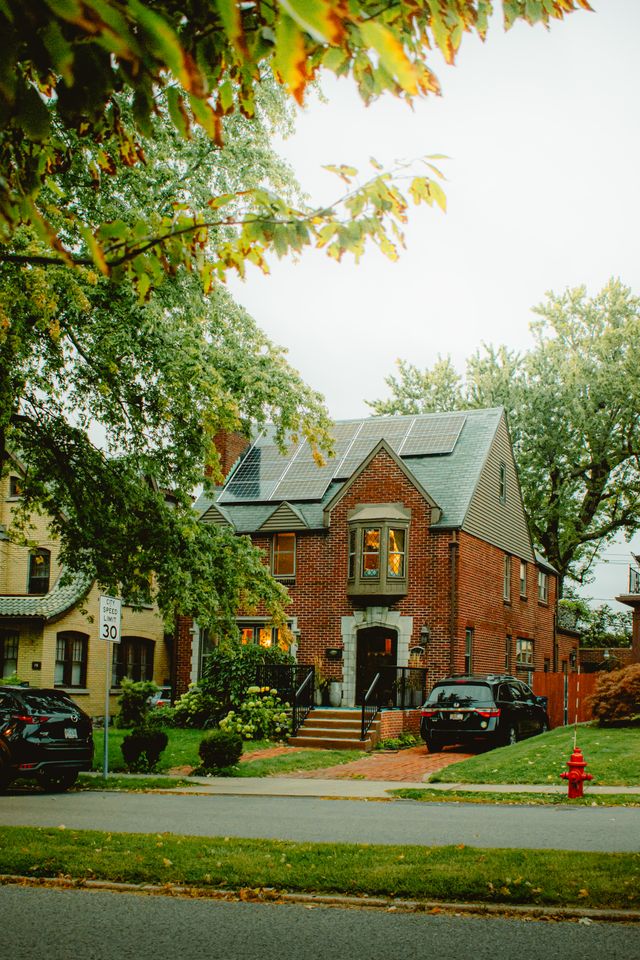
Homeowners across North Texas are embracing eco-friendly upgrades to lower utility bills, reduce environmental impact, and create more comfortable living spaces. While these improvements often deliver long-term benefits, they can also influence what shows up during a home inspection. Understanding how green upgrades are evaluated can help homeowners make informed decisions and avoid unexpected concerns.
Energy Efficiency Starts at the Top
One of the most common eco-friendly improvements is upgrading attic insulation. Proper insulation helps maintain indoor temperatures, reduces strain on HVAC systems, and can significantly improve energy efficiency. During an inspection, insulation is evaluated for coverage, condition, and installation quality. Even high-performance insulation can lose effectiveness if gaps, compression, or moisture issues are present.
While inspectors generally note the visible condition of roof-mounted solar systems, a standard home inspection does not typically assess electrical production or system performance. However, roof conditions around panel installations often receive close attention, particularly flashing, penetrations, and signs of water intrusion.
Smarter Water Usage Matters
Water conservation upgrades can be just as valuable as energy-saving improvements. Low-flow fixtures, high-efficiency toilets, and smart irrigation systems help reduce water consumption without sacrificing functionality.
From an inspection standpoint, these upgrades are usually viewed positively when properly installed. However, leaks, improper connections, or malfunctioning controls can offset their benefits. Even environmentally friendly improvements must function as intended to provide real value.
Windows That Do More Than Improve Curb Appeal
Modern energy-efficient windows are often installed to reduce heat transfer and improve indoor comfort. In a region known for intense summer temperatures, quality windows can make a noticeable difference.
During a home inspection, windows are checked for proper operation, damaged seals, moisture between panes, and overall condition. Energy-efficient features are certainly beneficial, but inspectors remain focused on performance and functionality rather than marketing claims.
HVAC Upgrades Often Stand Out
High-efficiency HVAC systems are among the most impactful eco-friendly investments. Newer systems typically consume less energy while providing better comfort and air quality.
Inspections focus on installation quality, visible condition, airflow, and overall operation. A high-efficiency unit may be impressive, but improper installation can create issues that reduce performance and longevity. Routine maintenance remains just as important as the initial upgrade.
The Importance of Professional Installation
Perhaps the biggest factor affecting any green home improvement is installation quality. Whether it’s solar panels, insulation, efficient plumbing fixtures, or upgraded mechanical systems, even the best products can become liabilities if installed incorrectly.
Home inspections frequently uncover issues that stem not from the upgrade itself, but from shortcuts taken during installation. Proper permits, qualified contractors, and regular maintenance help ensure eco-friendly improvements deliver the benefits homeowners expect.
A Greener Home Is a Better Home—When Done Right
Eco-friendly upgrades can improve comfort, reduce operating costs, and enhance a home’s appeal. From an inspection perspective, the goal is simple: verify that improvements are safe, functional, and performing as intended. When sustainability and quality workmanship go hand in hand, homeowners often enjoy the best of both worlds—a greener home and greater peace of mind.
Recent Comments