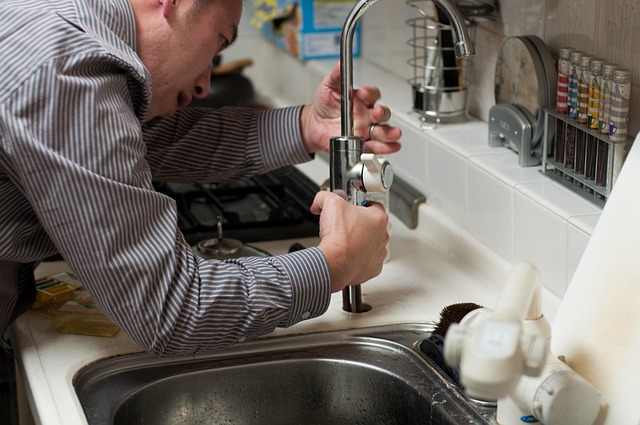
There’s a certain satisfaction that comes from tackling home maintenance yourself. Whether it’s patching drywall, cleaning gutters, or replacing a leaky faucet, DIY projects can save money and build valuable hands-on experience. But not all home tasks are created equal, and knowing when to bring in a professional can protect both your home and your wallet in the long run.
Here’s a guide to help you recognize the tipping point between a manageable home task and a job best left to a licensed expert.
1. Structural or Load-Bearing Concerns
If a project involves walls, ceilings, or floors and you’re unsure whether the structure is load-bearing, it’s time to pause. Removing or altering these elements without a professional assessment could compromise the integrity of your home. A qualified contractor or structural engineer will ensure your plans are safe and code-compliant.
2. Electrical Work Beyond the Basics
Replacing a light fixture or installing a new outlet may seem manageable, but anything involving wiring beyond surface-level components should raise a red flag. Mistakes can lead to fire hazards or violate local codes. Licensed electricians not only ensure safety but also handle permitting requirements that homeowners often overlook.
3. Major Plumbing Modifications
Fixing a minor leak or unclogging a drain is usually within DIY reach. However, moving pipes, working with sewer lines, or dealing with persistent water pressure issues is a different story. Professional plumbers have the tools and expertise to diagnose problems accurately and prevent costly water damage.
4. Roof Repairs and Replacement
The risks of DIY roof work go beyond the obvious fall hazard. Improper repairs can lead to undetected leaks, mold growth, and insulation damage. Even seemingly small roof issues can hide larger problems beneath the surface. A licensed roofer will assess the entire roofing system and make targeted, lasting repairs.
5. HVAC System Maintenance or Installation
While replacing air filters and cleaning vents are DIY-friendly, anything involving refrigerants, ductwork, or system balancing should be left to certified HVAC professionals. These systems are complex and require proper calibration to operate efficiently and safely.
6. Projects Requiring Permits or Inspections
If a project requires a building permit or must pass a municipal inspection, assume it’s not DIY territory. Professionals are familiar with local regulations and can navigate the permitting process smoothly, ensuring that your home stays up to code.
Final Thought
Taking pride in homeownership includes knowing your limits. A well-executed DIY project can be rewarding, but recognizing when to step back and bring in a professional is a skill in itself. When in doubt, investing in expert help today can prevent costly repairs and safety risks tomorrow.
Recent Comments