At a glance, a broken or cracked electrical outlet cover may seem like a purely cosmetic issue—something easily overlooked or postponed for later. In reality, this minor defect can signal and create safety concerns that deserve timely attention. Outlet covers are designed to serve a specific purpose, and when they are damaged, that purpose is compromised.
Why Outlet Covers Matter
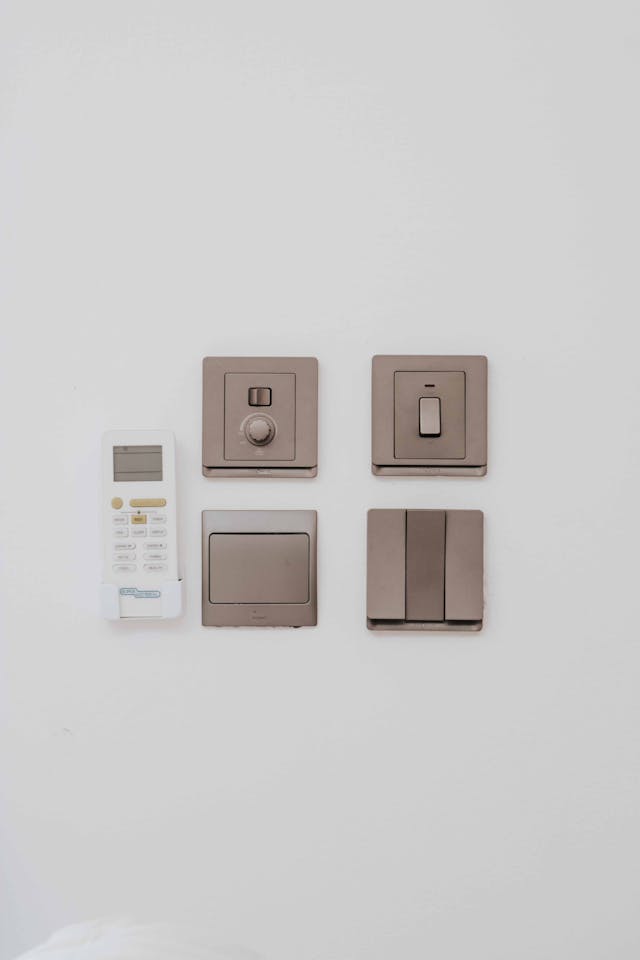
Outlet covers act as a protective barrier between live electrical components and the surrounding environment. When intact, they help prevent accidental contact with energized wiring, reduce the risk of debris entering the outlet box, and provide a finished, secure mounting surface for receptacles. A cracked or missing section weakens that barrier and exposes vulnerabilities that are not always visible.
Safety Risks to Consider
One of the most significant concerns with a damaged outlet cover is the potential for electrical shock. Cracks can expose energized components or allow movement of the receptacle within the box, increasing the chance of contact during routine use. This risk is heightened in homes with children, pets, or in areas where outlets are frequently accessed.
Another issue is fire safety. Gaps in a broken cover can allow dust, lint, or other combustible materials to enter the outlet box. Over time, heat generated by electrical use—especially in loose or poorly seated receptacles—can increase the likelihood of overheating or arcing. While a cracked cover alone does not cause a fire, it removes a layer of protection that helps reduce that risk.
Moisture and Environmental Exposure
In kitchens, bathrooms, garages, and exterior walls, outlet covers also help limit moisture intrusion. A cracked cover can allow humidity or water vapor to reach electrical components, accelerating corrosion and increasing the chance of malfunction. In damp environments, this exposure can shorten the lifespan of the outlet and compromise safety.
What a Cracked Cover May Indicate
A damaged outlet cover can sometimes point to a deeper issue. Stress cracks may result from loose outlets, improper installation, or physical impact. If the cover is broken because the receptacle shifts when plugs are inserted or removed, the underlying electrical box or wiring may need evaluation. Simply replacing the cover without addressing movement or looseness may not fully resolve the concern.
A Simple but Important Fix
Replacing a cracked outlet cover is generally inexpensive and straightforward, yet the benefits are substantial. New covers restore the protective barrier, improve appearance, and help maintain a safer electrical system. When replacing a cover, power should be turned off at the circuit breaker, and the outlet should be checked to ensure it is secure and undamaged.
The Bottom Line
Leaving a broken or cracked outlet cover in place is not a wise long-term decision. While it may appear minor, the potential safety implications outweigh the convenience of delay. Addressing small electrical defects promptly helps maintain a safer, more reliable home—and reinforces the importance of paying attention to details that protect both people and property.
Recent Comments