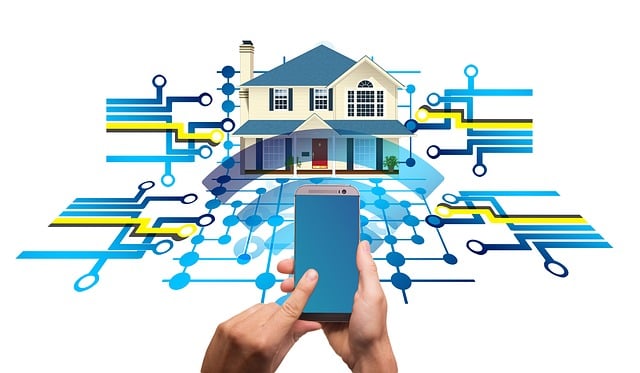
Smart home security systems have become increasingly popular, offering homeowners convenience, remote access, and a sense of modern protection. Doorbell cameras, smart locks, motion sensors, and app-based monitoring can certainly enhance awareness of what’s happening around a property. However, relying on smart technology alone as a complete home security solution can create gaps that many homeowners don’t realize until a problem occurs.
Below are several important reasons smart home security should be viewed as a supplement—not a replacement—for comprehensive home security planning.
Technology Is Only as Reliable as Its Power and Connectivity
Most smart security devices depend entirely on electricity, Wi-Fi, or cellular connections. Power outages, router failures, or service interruptions can instantly disable cameras, alarms, and smart locks. While some systems offer battery backups, those backups are limited in duration and functionality. A security system that stops working during storms or outages may leave a home unexpectedly vulnerable when conditions are already less predictable.
Devices Can Fail, Malfunction, or Be Improperly Installed
Smart devices are not immune to hardware issues, software glitches, or configuration errors. Missed firmware updates, incorrect placement of sensors, or poor calibration can result in blind spots or false assumptions about coverage. In many homes, devices are installed for convenience rather than optimal security performance, which can limit their effectiveness in real-world scenarios.
Cybersecurity Risks Are a Real Consideration
Unlike traditional mechanical locks or standalone alarm systems, smart home devices are connected to the internet. This creates the potential for hacking, unauthorized access, or data breaches if systems are not properly secured. Weak passwords, outdated software, or unsecured networks can allow intruders to bypass digital protections without ever approaching the home physically.
Smart Systems Don’t Address Physical Security Weaknesses
No amount of technology can compensate for structural vulnerabilities. Issues such as damaged door frames, poor-quality locks, aging windows, or inadequate exterior lighting are common entry points for intruders. Smart alerts may notify a homeowner after an entry occurs, but they do little to prevent access if the physical components of the home are compromised.
False Sense of Security Can Lead to Oversight
One of the most common issues with smart home security is overconfidence. The presence of cameras and apps can create the impression that a home is fully protected, leading homeowners to overlook basic security principles. Routine maintenance, visual inspections, and layered security strategies remain essential regardless of how advanced the technology may appear.
A Layered Approach Is the Most Effective Strategy
Smart home security works best when combined with solid physical construction, quality locks, proper lighting, and well-maintained doors and windows. When technology supports—not replaces—these fundamentals, it becomes a valuable part of a broader, more reliable security approach.
In the end, smart security tools are helpful, but true home protection comes from balance: technology, physical integrity, and thoughtful planning working together.
Recent Comments