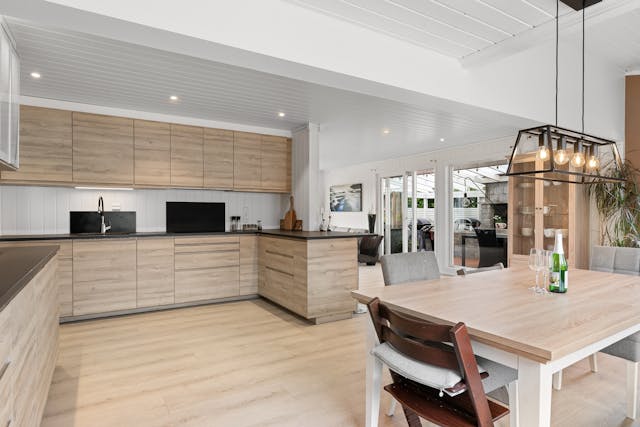
Open concept living has a lot going for it—more light, better flow, and spaces that feel larger and more connected. But getting from a traditional layout to an open plan isn’t as simple as removing a wall and calling it done. There are several practical issues that need careful planning before the first swing of a hammer.
Structural Surprises
Not all walls are created equal. Some are load-bearing, meaning they support the weight of the structure above. Removing one without proper reinforcement can lead to cracked drywall, sagging ceilings, or much worse. Even when plans call for a beam replacement, installation must be precise and properly supported at both ends. It’s common to uncover framing that doesn’t match original plans, especially in older homes, so flexibility in design and budget is important.
Electrical and Plumbing Reroutes
Walls often hide more than just studs. Electrical wiring, plumbing lines, and sometimes HVAC ductwork run right through them. Once a wall is removed, those systems need new pathways. That might mean opening ceilings or floors, which adds cost and complexity. It’s also a good opportunity to bring older systems up to current standards, but that can expand the scope quickly.
Flooring Continuity
One detail that often gets overlooked is flooring. When walls come out, they leave gaps where flooring never existed. Matching existing materials—especially hardwood—can be tricky. Even when the same species is used, age and wear can make blending difficult. Planning for refinishing or full replacement in the affected area helps avoid a patchwork appearance.
HVAC Balance
Open concept spaces change how air moves through a home. Rooms that were once separate may have had dedicated vents and returns. After opening things up, the system may struggle to maintain even temperatures. Some areas may feel too warm while others stay cool. Adjustments to ductwork, or even system upgrades, may be needed to keep things comfortable year-round.
Noise and Privacy Considerations
While open layouts improve sightlines, they also allow sound to travel freely. Kitchens, televisions, and conversations all share the same space. Without walls to contain noise, it can become an issue—especially in busy households. Thoughtful placement of soft materials like rugs, curtains, and furniture can help absorb sound, but it’s something to consider before committing fully to the design.
Lighting and Functionality
Removing walls often changes how natural and artificial light behaves in the home. What once was a well-lit room may become dim depending on window placement. On the flip side, some areas may become overly bright. A good lighting plan—layered with ambient, task, and accent lighting—keeps the space functional and comfortable throughout the day.
Permits and Inspections Matter
Any structural modification typically requires permits and inspections. Skipping this step can lead to problems when selling the home later. Proper documentation ensures the work was completed safely and according to code. It also provides peace of mind that nothing critical was overlooked.
Open concept remodeling can transform a home in all the right ways, but it’s not a project to rush into. Planning ahead for these common challenges helps avoid costly surprises and ensures the finished space is as functional as it is beautiful.
Recent Comments